Describe the service before assigning tasks
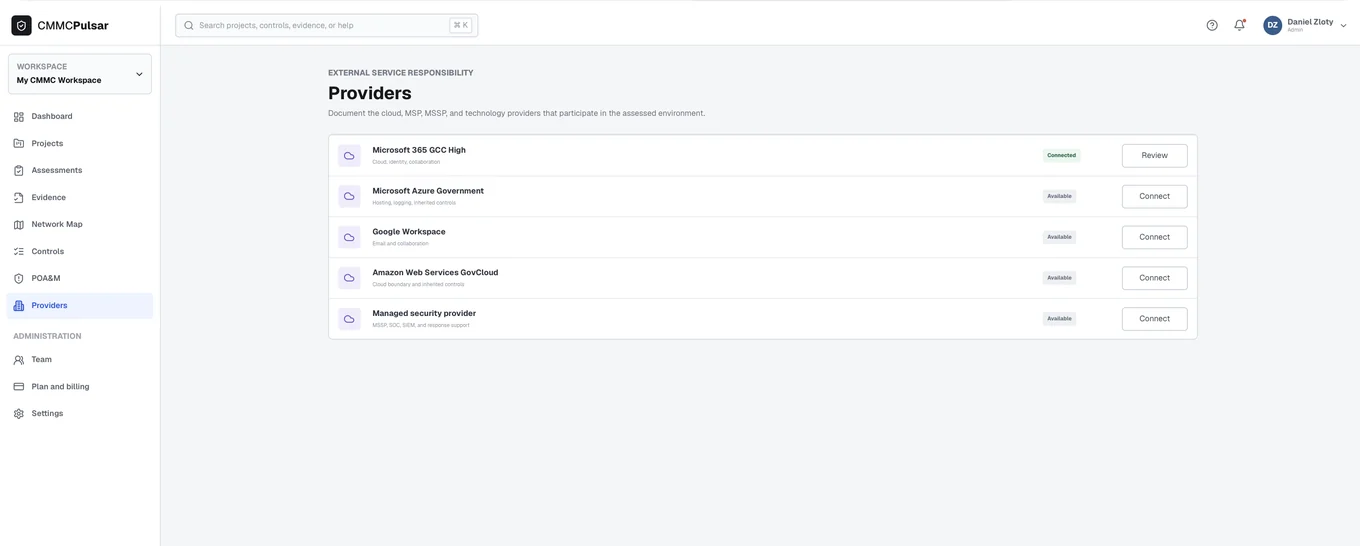
Record what the provider actually supplies: managed endpoints, identity administration, hosting, backups, monitoring, support, or another defined service. Identify what information the service receives and how the customer uses it. Separate the product’s available capabilities from the features included and configured in the engagement.
Review the service description, contract, and relevant technical facts together. A statement that a provider supports compliance does not explain your environment or settle the scope. Use the official scoping requirements to determine how the relationship is treated, especially when CUI or security-protection data is involved.
Make each responsibility observable
A practical matrix can include the safeguard or task, affected system, provider action, customer action, approving owner, verification method, and supporting record. Use precise verbs such as configures, approves, reviews, and retains. The word supports is often too vague to assign accountability.
For a fictional managed-device service, the provider might deploy a security agent while the customer supplies an accurate device roster and ensures new devices enter the process. That example is only a conversation starter; the actual division must match the service and requirements. Confirm it with both parties rather than treating a generic matrix as an agreement.
Address exceptions and handoffs
Ask what happens when a device stops reporting, an employee leaves, a configuration changes, or the service is interrupted. Identify notification routes, escalation owners, and the records the customer can obtain. Discuss what occurs when the relationship ends or a new provider takes over.
These questions often reveal work that a normal sales description omits. Resolve whether the task is included, separately contracted, or retained by the customer. If the answer affects implementation, keep the item open until the parties agree and the arrangement operates as described.
Review the matrix with the implementation
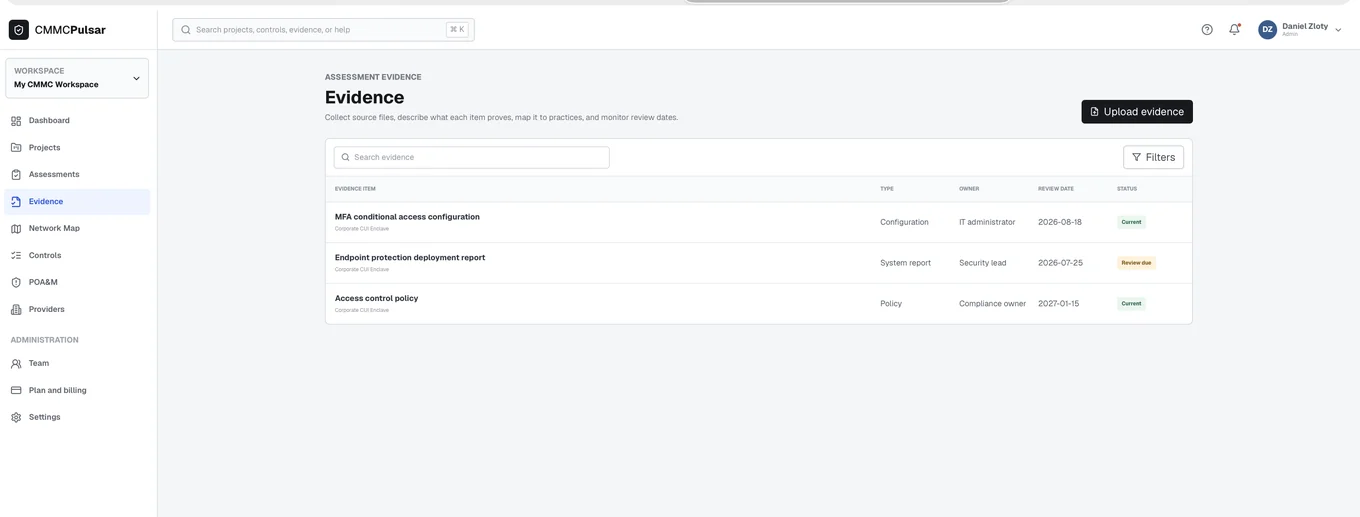
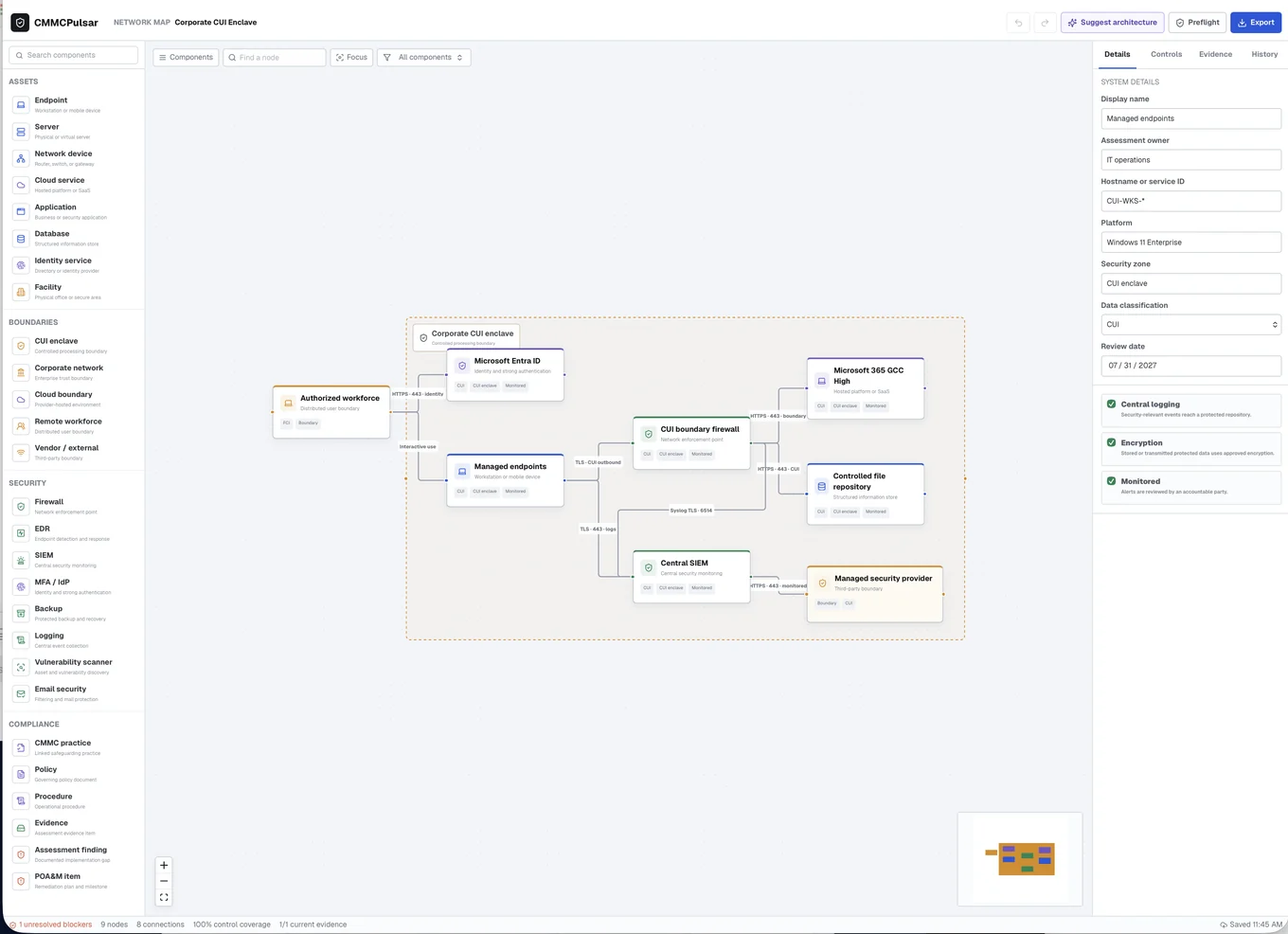
Link responsibilities to the relevant implementation statements, diagrams, and evidence references. Revisit the matrix after a service change, new application, or contract amendment. Verify that the current team knows who owns the work rather than relying on an old project contact.
The readiness kickoff guide offers a useful meeting structure. A consultant or software platform can help organize the record, but neither removes the need for responsible technical owners and supported assessment conclusions.
Sources & further reading
Published October 24, 2026. Government and company references were checked while preparing this page. General information and practical workflow suggestions; confirm the requirements and services that apply to your organization.